

PC/ABS Material
Why Do Many Outer Frame Parts Use PC/ABS?
Many of these parts are not the main structural components, but as long as they are outer frames, protective rings, support brackets, or visible housings, they usually face several very practical requirements at the same time: the surface has to look neat, the assembly has to be stable, they cannot be too brittle when impacted, and they also cannot be too difficult to manufacture in mass production.
So in actual material selection, the focus is usually not just on a single strength property. Instead, several conditions that are closer to the product side are considered together:
- Whether the finished appearance part looks clean and refined enough
- Whether the dimensions are stable enough during assembly
- Whether it has enough impact resistance when bumped or dropped during use
- Whether the material itself has a certain level of heat resistance and durability
- Whether it is easy to control quality consistency during injection mass production
PC/ABS blend is so common in this type of part because it was never meant to pursue a single property to the extreme. Instead, it emphasizes more balanced overall performance, which makes it particularly suitable for products that need to take care of both appearance and structure.
Several Practical Reasons for Using PC/ABS in Accessory Parts
More Impact-Resistant Than Pure Appearance Plastics, Suitable for Protective Parts and Outer Frames
One common strength of PC/ABS is that it is tougher than materials that mainly focus only on appearance. For parts such as outer frames and protective rings that will be bumped, handled, and assembled, this is very important. Especially when the product is not just for display but is actually used for a long time, materials that are too brittle usually run into problems very quickly.
Good Appearance Performance, Suitable for 3C and Electronic Peripheral Parts
PC/ABS is very often used in electronics, home appliances, and industrial equipment housings. One reason is that its appearance performance is usually quite good. For 3C peripherals, audio devices, and parts that are directly touched by hand, appearance, tactile feel, and texture are all important, and this kind of material is usually better at balancing them together.
Balances Dimensional Stability and Moldability, Making Mass Production Easier to Control
Many of these parts may not look large, but their assembly tolerances usually cannot be too loose. PC/ABS has long been common partly because of its molding behavior and dimensional stability. For outer rings, support brackets, and protective parts, this means the later assembly is easier to keep stable, and consistency is easier to maintain during mass production.
Provides a Certain Level of Heat Resistance, Suitable for General Electronic Equipment Conditions
PC/ABS is often not used for extremely high-temperature parts, but under general electronic equipment, industrial housing, or everyday use conditions, it usually offers a good balance in thermal performance. That is also one of the reasons it is often used for electronic housings, equipment covers, and structural accessories.
Suitable for Parts That Need Both Appearance and Durability, But It Still Depends on the Application
It is recommended to write this part a little more conservatively. PC/ABS is indeed very suitable for many outer frame parts and electronic accessories, but if the product requirements involve long-term outdoor exposure, extremely high temperatures, or special chemical resistance environments, then this page alone should not be used to make the decision. The material still needs to be evaluated according to the actual conditions.
Comparison Between PC/ABS Material Properties and Product Requirements
| Material Property | Importance to Product Development | Common Application Direction |
|---|---|---|
| Balanced impact resistance and toughness | Helps reduce the risk of damage during collision, disassembly, and assembly | Protective rings, outer frame parts |
| Good appearance performance | Suitable for visible parts and products with higher texture requirements | 3C accessories, electronic peripheral housings |
| Better moldability and dimensional stability | Beneficial for mass production and assembly consistency | Support brackets, structural parts, housing parts |
| Provides a certain level of heat resistance | Suitable for general electronic equipment operating environments | Industrial equipment housings, consumer electronic parts |
| Balances appearance and durability | Suitable for products that do not want to focus only on appearance or only on strength | Audio equipment accessories, operation-related peripheral parts |
Note: Actual performance still needs to be evaluated together based on the PC/ABS ratio, part structure, surface requirements, and the usage environment.
PC/ABS Accessory Manufacturing Experience
The following are current product examples. What these parts have in common is that they are neither purely structural parts nor purely decorative parts. They sit somewhere in between, requiring both appearance and durability and assembly stability in actual use.
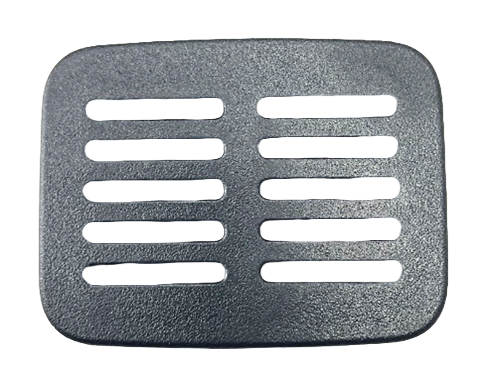
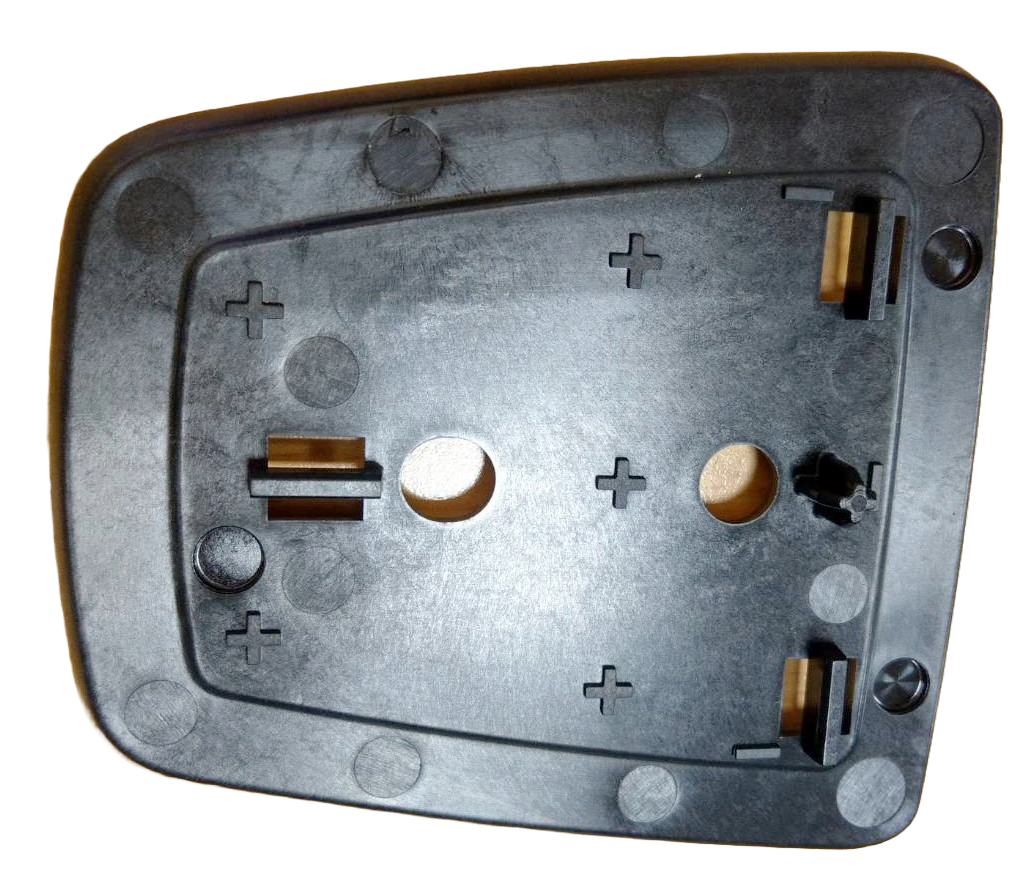
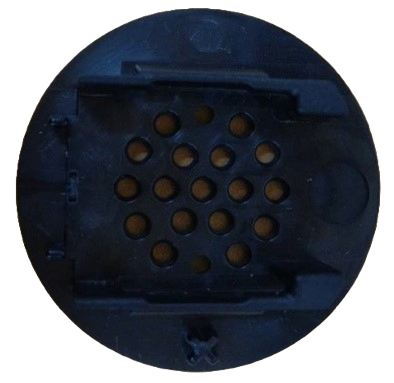
These products are commonly used for outer frame protection, support structures, and visible housing parts. During development, attention is usually paid at the same time to appearance details, assembly stability, and durability in actual use.
Three Practical Reasons to Choose PC/ABS Manufacturing
Appearance and Structure Can Be Taken Care of Together
If many parts use only appearance-focused materials, they tend to lack durability later on. But if only structural materials are chosen, the surface and texture may not look as good. PC/ABS is very commonly used for products that need to balance both sides, and that is exactly why.
Suitable for Mass Production, Not Just Good-Looking Prototypes
Some materials look very good during prototyping, but after mass production, the dimensions, tolerances, or surface finish may no longer remain stable. PC/ABS and other mature materials are common partly because they are usually easier to control in mass-production processing, which is more helpful for actual shipment.
OEM / ODM Customization Can Be Adjusted According to Product Use
If the product has requirements related to color, surface finish, dimensions, logo, or fixing structure, customization can also be adjusted according to project conditions. For parts like these, the difference is often not just appearance, but whether the overall assembly and tactile feel of the product are truly done right.
Further Reading
- Overview of Other Plastic Product Applications
- ABS Material | Housing Parts and Impact-Resistant Applications
- PP+GF Material | Lightweight Reinforcement and Structural Parts
- PC Material | Electronic Housings and Impact-Resistant Parts
Frequently Asked Questions (FAQ)
Sources
PC/ABS Accessory Part Development and Mass Production Collaboration
If your product needs plastic accessories that combine appearance quality, impact resistance, and mass-production stability,
we can provide a complete OEM / ODM injection molding service from mold design and material evaluation to mass production manufacturing.
Feel free to contact us to discuss how PC/ABS can be applied to your product, so the product can achieve a more suitable balance among appearance, quality, and actual usage performance.