- Home
- Introduction
- Mold Development

Mold Development
Mold Development Department
Our Mold Development Department supports plastic mold design, mold engineering, and production-ready tooling development, from early review through mold trial and ramp-up.
What matters to us is not only finishing a mold, but whether the tooling can move into trial smoothly, whether issues can be identified early, and whether the project can transition into stable mass production.
Good mold development starts before steel is cut
Mold development is not only about turning a drawing into a tool. The real issue is whether the mold can be built, tested, adjusted, and used in production without repeated backtracking.
In many projects, delays do not come from one single step. They happen when design, machining, assembly, mold trial, and tooling revision are not aligned early enough. That is why we put more attention on the front end of development instead of waiting until trial to discover major issues.
Our goal is simple: reduce avoidable changes later, shorten the path from design to mold trial, and help customers move toward production with fewer surprises.
Equipment and engineering support
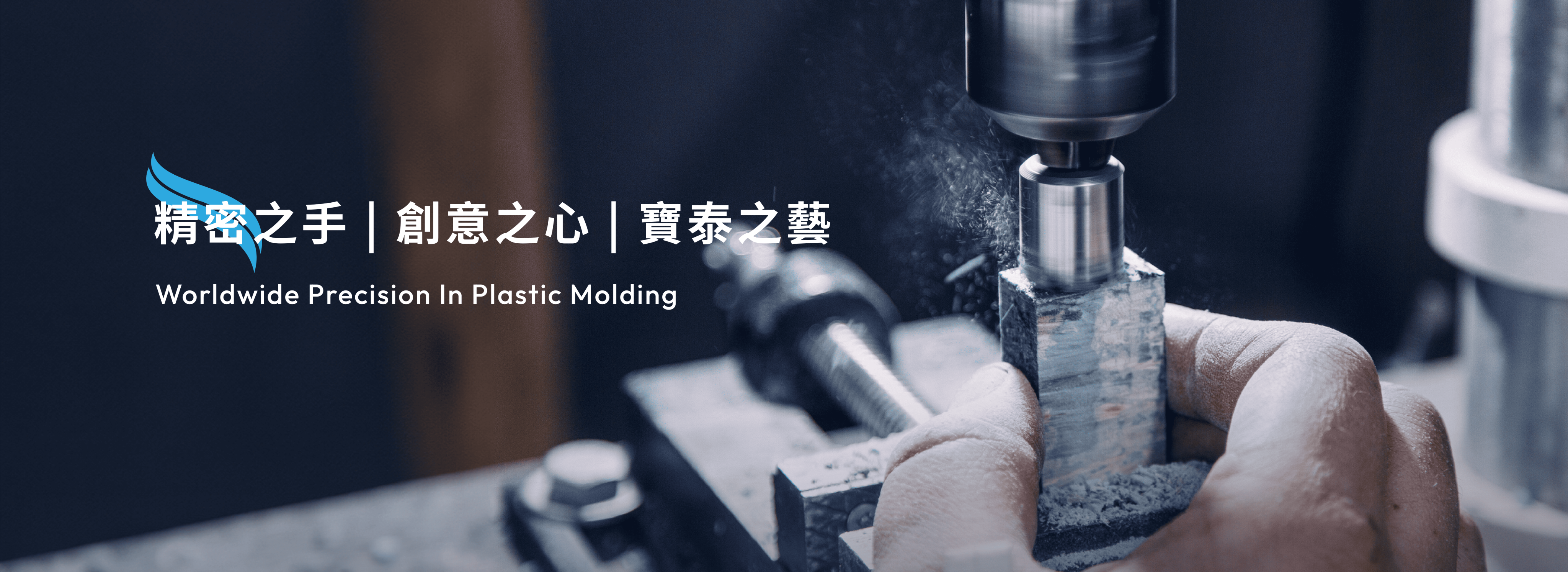
The department is equipped with precision CNC machining equipment, wire cutting, EDM, and inspection instruments to support different mold structures and machining requirements.
On the engineering side, we work with CAD/CAM tools such as SolidWorks, AutoCAD, and Mastercam so that mold design data and machining preparation can stay connected throughout the project.

Precision equipment and clear data handoff make a direct difference in tooling quality, machining efficiency, and later mold adjustment work.
A clearer tooling process helps projects move with less rework
When mold development steps are not clearly defined, projects tend to loop back on themselves. Information gets fragmented, decisions get delayed, and later revisions become more expensive than they should be.
We organize the process from requirement review, design evaluation, and tooling manufacture to mold trial and follow-up correction, so each stage has a clearer role in the overall project.
A structured mold development process is not about adding paperwork. It helps identify issues earlier and keeps tooling revisions closer to the right stage.
DFM and Moldflow support before mold trial
Some molding risks can be seen before the first trial if they are reviewed early enough. For parts with tighter dimensional requirements, more complex geometry, or stricter cosmetic expectations, we use DFM and 3D mold flow analysis to review filling behavior, cooling conditions, and possible molding risks in advance.
This helps us evaluate issues such as shrinkage, air traps, weld lines, and warpage earlier, so later tooling changes and mold trial adjustments can be handled with better direction.
For a related example of mold flow analysis in practice, see: Solving air trap and weld line issues
The point of Moldflow is not to add another report. It is to see where molding risks may appear before they become tooling changes after trial.
Rapid prototyping with 3D printing
In some projects, drawings alone are not enough to evaluate part structure, fit, or assembly direction. To help customers review these issues earlier, we also support rapid prototyping with Phrozen 8KS 3D printing for sample review and pre-tooling discussion.
A physical prototype often makes design questions easier to see and easier to discuss. That can shorten review time and reduce the chance of large changes after the mold build has already started.
Rapid prototyping helps bring part geometry, fit, and usability into review before those questions become tooling revisions.
From mold trial to tooling revision
Mold trial is not only about getting the first parts out. The real value is whether problems can be identified clearly and whether the next correction step moves the tool in the right direction.
In practice, tooling projects slow down when design intent, machining details, and trial results are treated as separate tasks. We try to keep those parts connected so that each round of adjustment has a clearer purpose.
When the direction is clear, tooling optimization becomes more efficient and production ramp-up becomes easier to manage.
Engineering teamwork and project communication
Mold development does not rely on equipment alone. It also depends on whether engineering, machining, tryout, and customer-side review can stay aligned through the project.
Our team includes experienced engineers and technicians who stay involved in mold design, machining, trial review, and tooling adjustment. We also put weight on practical communication with customers, because many tooling delays come from unclear assumptions rather than technical limits.
What we aim to deliver
We do not look at delivery as handing over a mold base and finished steel. What we want to deliver is a tooling result that is ready for mold trial, practical to adjust, and better prepared for stable production use.
From design review and mold flow analysis to rapid prototyping, machining, mold trial, and tooling revision, we focus on doing each step carefully so the project can move forward with fewer corrections later.
Contact Us
If you need support for mold design, tooling development, DFM review, Moldflow analysis, rapid prototyping, mold trial, or production tooling, feel free to contact us. We can help review the project from early planning through tooling build and production ramp-up.